
Dirndl Dress
-

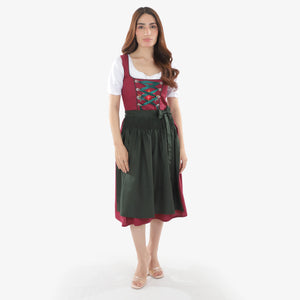 23% OFF
Vintage Bavarian Attire Deep Plum Green Allure
Regular price $109.00Regular price$139.99Sale price $109.00 -

 24% OFF
Classic Black Midi Dirndl in Vibrant Look
Regular price $99.99Regular price$129.99Sale price $99.99 -

 24% OFF
Bavarian Beauty Pink and Black Authentic Dirndl
Regular price $99.99Regular price$129.99Sale price $99.99 -
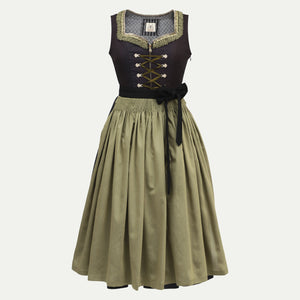
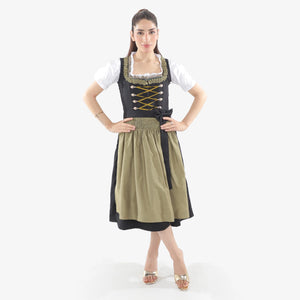 17% OFF
Smoky Royal Black Dirndl Dress
Regular price $149.99Regular price$179.99Sale price $149.99 -

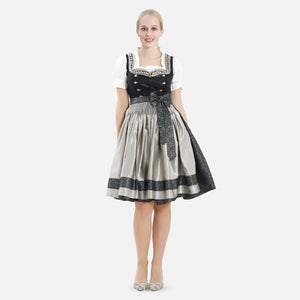 22% OFF
Midi Dirndl Inspired by Midnight Black Elegance
Regular price $149.99Regular price$189.99Sale price $149.99 -

 18% OFF
Midi Dirndl Inspired by Pure Black Elegance
Regular price $139.99Regular price$169.99Sale price $139.99 -

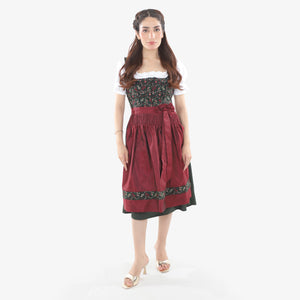 22% OFF
Timeless Maroon and Red Beauty Dirndl
Regular price $109.99Regular price$139.99Sale price $109.99 -

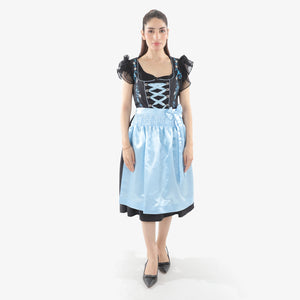 22% OFF
German Dirndl Dress Floral Ice Blue Elegance
Regular price $109.99Regular price$139.99Sale price $109.99 -

 22% OFF
Royal Amethyst Dirndl Dress with Bavarian Flair
Regular price $109.99Regular price$139.99Sale price $109.99 -
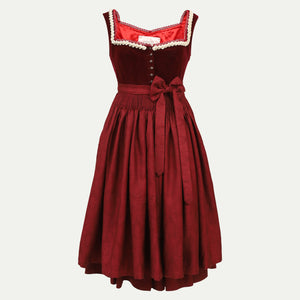
 28% OFF
Timeless Luxury Ruby Allure German Dirndl
Regular price $129.99Regular price$179.99Sale price $129.99 -

 27% OFF
German Dirndl Dress Floral Blue Embroidery
Regular price $109.99Regular price$149.99Sale price $109.99 -

 22% OFF
German Dirndl Dress Floral Red Embroidery
Regular price $109.99Regular price$139.99Sale price $109.99 -

 21% OFF
Authentic Bavarian Attire Bold Emerald Charm
Regular price $119.99Regular price$149.99Sale price $119.99 -

 27% OFF
Classic Bavarian Attire Bold Red Checkered
Regular price $109.99Regular price$149.99Sale price $109.99 -

 27% OFF
Midi Dirndl Inspired by Dark Charcoal Legacy
Regular price $139.99Regular price$189.99Sale price $139.99 -

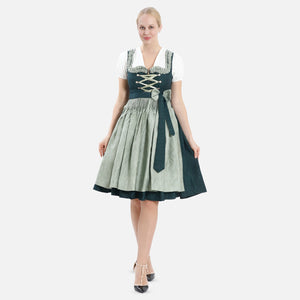 17% OFF
Midi Dirndl Inspired by Pure Green Elegance
Regular price $149.99Regular price$179.99Sale price $149.99 -

 31% OFF
Midi Dirndl Dress Luxury Moss Green Elegance
Regular price $139.99Regular price$199.99Sale price $139.99 -

 21% OFF
German Dirndl Dress Floral Magenta Elegance
Regular price $119.99Regular price$149.99Sale price $119.99 -

 26% OFF
German Dirndl Dress in Platinum Silver Heritage
Regular price $149.99Regular price$199.99Sale price $149.99 -

 21% OFF
Midi Dirndl Dress Luxury Frosted Silver
Regular price $149.99Regular price$189.00Sale price $149.99 -

 26% OFF
Midi Dirndl Inspired by Antique Gold Pearl Legacy
Regular price $139.99Regular price$189.00Sale price $139.99 -

 27% OFF
Timeless Bavarian Dirndl Attire Sage Green
Regular price $139.99Regular price$189.99Sale price $139.99 -

 22% OFF
Midi Dirndl Dress Luxury Dusk Blue Opulence
Regular price $149.99Regular price$189.99Sale price $149.99 -

 31% OFF
Dirndl Dress Timeless Opalescent Ivory
Regular price $139.99Regular price$199.99Sale price $139.99


Authentic German Dirndl Dress
Authentic Bavarian Dirndl for Oktoberfest and Beyond
A Dirndl is the traditional women's Tracht of Bavaria and the Alpine regions of Austria, worn today as the signature Oktoberfest dress and as formal folk attire across Germany. The style dates to the 16th to 18th centuries and started as workwear for servants and peasants before it grew into the cultural dress worn at the Wiesn in Munich and at Bavarian celebrations worldwide.
Our collection stays close to that heritage. We source patterns from Alpine workshops and work with traditional manufacturers in Germany and Bavaria to keep the construction honest: a structured bodice that once gave farm workers freedom of movement, a high-waisted full skirt that carries the traditional silhouette, and a decorative apron (Schürze) that started as workwear protection and became the outfit's signature.
Every piece in this collection arrives as a complete Dirndl set: a bodice-and-skirt dress, a matching apron with ribbon, and a coordinated blouse. That saves you from piecing an outfit together across three separate purchases and keeps the color and fabric palette consistent across all three components. Wear yours to Oktoberfest, a Bavarian-themed wedding, a folk festival, a Trachtenverein gathering, or a themed dinner at a Bavarian restaurant.
Dirndl Colors We Carry and What They Mean
Our Dirndl collection carries 14 named colors, from festival brights to muted heritage tones. Each color says something different in Bavarian dress tradition, and most shoppers pick based on the event, the season, and the mood they want to strike.
|
Fabric |
Where We Use It |
Best For |
|
Heavyweight Cotton |
Bodice, skirt, blouse |
Daytime Wiesn, folk festivals |
|
Jacquard |
Bodice, skirt |
Evening beer tents, premium builds |
|
Brocade |
Bodice |
Evening events, weddings |
|
Satin |
Apron |
Evening Oktoberfest, weddings |
|
Embroidered Lace |
Blouse, apron trim |
Weddings, evening Wiesn |
|
Silk-look |
Apron (premium) |
Bavarian-themed weddings |
|
Cotton Gingham |
Apron (casual) |
Casual Oktoberfest, everyday |
Green and red are the most traditional Oktoberfest colors and pair with any blouse in our range. Black stays the safest pick for evening formal events. Ivory, silver, and platinum are the top picks for Bavarian-themed weddings, where the bride or hostess usually wears a softer tone and the guests bring the color.
Dirndl Sizes We Offer and How They Fit
We carry Dirndls in XS, S, M, L, XL, 2XL, 3XL, and 4XL. That covers petite (US 2) through plus size (US 18), and every size runs on the same construction blueprint, so a size 2XL fits with the same bodice structure and skirt fullness as a size S. No shortcuts on plus-size builds and no separate "plus" line with fewer color options: every Dirndl in this collection is offered across the full size range.
Our plus-size Dirndls (XL through 4XL) are cut for fuller figures, not scaled up from a standard size. That means the bodice sits properly at the natural waist without pulling across the bust, the skirt has enough fullness to fall cleanly at the hip, and the apron ribbon is long enough to tie a full bow without falling short. If you're used to plus-size clothing that runs too tight in the bust or too wide at the shoulder, this collection was drafted with those exact fit issues in mind.
A well-cut Dirndl runs snug through the bodice and full through the skirt. The bodice is built with light interfacing so it holds shape across a long festival day; the skirt gives room to sit, walk, and dance without pulling at the waist. If you're between two sizes, size up in the bodice for comfort, or size down if you want the fitted, laced-in silhouette that traditional Dirndls are known for.
Measure at your natural waist (the narrowest point above the hip) and at the fullest part of the bust. Cross-reference both against our size chart. If you're still unsure, contact us before ordering. We swap sizes within 30 days at no extra cost, US-wide.
Dirndl Lengths We Offer: Mini, Midi, and Long
We offer three Dirndl lengths across the store: mini (about 50 cm), midi (60 to 75 cm), and long (90 to 100 cm). This collection page is our full midi lineup: all 28 dresses on this page are midi length, since that's the most versatile cut and the one most Oktoberfest shoppers reach for. Our mini and long Dirndls sit on their own collection pages, linked below.
Midi Dirndl measures 60 to 75 cm and falls at the knee or mid-calf. Every Dirndl on this page is cut to this length. Flatters most body types. This is the all-day Oktoberfest cut: dressy enough for the beer tent, moveable enough for the dance floor, and modest enough for a Bavarian-themed wedding.
Mini Dirndl measures about 50 cm and sits above the knee. Short, playful, and cooler in warm September weather. Best for casual events, beer-garden brunches, and Halloween. Flatters petite frames by elongating the leg line.
Long Dirndl measures 90 to 100 cm and falls to the ankle. The most formal cut, and the pick for Bavarian-themed weddings, evening galas, and traditional folk-dance festivals where full-length dresses are the norm.
Which Dirndl to Wear for Each Occasion
Not every Dirndl works for every event. Fabric weight, length, color, and apron finish all shift with the setting. Here's how we recommend matching your Dirndl to where you're actually wearing it.
Daytime Oktoberfest and Wiesn. A midi Dirndl in lightweight cotton, in a traditional color like emerald, sage, ice blue, or red checkered. Puff-sleeve blouse, low-heel Haferl shoes, minimal jewellery. This build is made to survive standing hours in a crowded tent and hot September afternoons.
Evening Oktoberfest and Beer Tent Nights. A midi Dirndl in a heavier fabric (jacquard or brocade) and a richer color: midnight black, plum, ruby, or dusk blue. A satin apron catches the tent lights and reads more formal than cotton. Pair with a lace or embroidered blouse and a heart pendant.
Bavarian-Themed Weddings. A long or midi Dirndl in ivory, cream, silver, gold, or platinum, with a lace or embroidered bodice and a silk-look apron. Guests bring the color; the bride, bridesmaids, or hostess stays in soft tones so the color palette reads as one.
Folk Festivals and Cultural Celebrations. Traditional colors (green, blue, red, or checkered) in cotton or a lightweight jacquard. This is the wear-anywhere pick and the safest choice if you're unsure what the event calls for.
Casual and Everyday Wear. A mini or a simple cotton midi with a gingham apron. Works for beer-garden brunches, Bavarian restaurants, themed dinners, or Halloween. Same real construction as our festival Dirndls, just a lighter, more relaxed cut.
Dirndl Fabrics and Materials We Work With
The fabric is what separates a premium Dirndl from a costume. We construct every dress from three material groups: a structured bodice fabric that holds shape across a full festival day, a soft blouse fabric that layers under it without bulk, and an apron fabric that finishes the look. Here's what we work with and where each material lands.
|
Fabric |
Where We Use It |
Best For |
|
Cotton |
Bodice, skirt, blouse |
Daytime Wiesn, folk festivals |
|
Jacquard |
Bodice, skirt |
Evening beer tents, premium builds |
|
Brocade |
Bodice |
Evening events, weddings |
|
Satin |
Apron |
Evening Oktoberfest, weddings |
|
Embroidered Lace |
Blouse, apron |
Weddings, evening Wiesn |
|
Silk-look |
Apron (premium) |
Bavarian-themed weddings |
|
Cotton Gingham |
Apron (casual) |
Casual Oktoberfest, everyday |
Bodice and Skirt: the fitted bodice sits on structured fabrics with enough body to hold interfacing without stretching. Heavyweight cotton is our daytime workhorse; it breathes in a packed tent and washes clean after a beer spill. Jacquard and brocade come in for evening and premium builds because they carry embroidery cleanly and read richer under low tent lights.
Blouse: we pair cotton or embroidered lace blouses that sit sheer without looking flimsy. Lace blouses lean formal and match well with jacquard bodices. Cotton blouses stay casual and daytime-friendly.
Apron: this is where we play with contrast. Satin aprons catch tent lights and shift the outfit into evening mode. Cotton and gingham aprons keep the outfit daytime-casual and pair with any bodice. Silk-look aprons are reserved for wedding-tier builds.
How to Wear a Dirndl Step by Step
Wearing a Dirndl properly comes down to five steps, in this order.
1. Base layer first. Start with a well-fitting bra (push-up or balconette cuts sit best under a laced bodice), add a petticoat under the skirt for fullness if you're going for a traditional silhouette, and pick undergarments that won't show under a lighter blouse.
2. Blouse before dress. Put your Dirndl blouse on first. Check that the neckline sits flat against your collarbone, and adjust the sleeve length so the puff or lace trim ends where you want it. The blouse is what shows above the bodice, so this is what people see first.
3. Into the dress. Step into the bodice-and-skirt dress and lace or button it up. It should fit snugly across the ribs and waist, and the skirt should fall without pulling. A well-fitted Dirndl looks structured, not squeezed.
4. Tie the apron. Wrap the apron (Schürze) around your waist, cover the front two-thirds of the skirt, and tie the bow to match your relationship status. See the Apron Bow section below for what each position means.
5. Finish with accessories. Pair with traditional Bavarian Haferl shoes, low block heels, or ballet flats. Style your hair in braids (Zöpfe), an updo, or loose with decorative pins. Add a small heart pendant or Edelweiss brooch for jewellery.
Dirndl Apron Bow Positions and Their Meaning
The apron bow is a code, not just a bow. Where you tie it tells other guests your relationship status, and it's one of the oldest details in Bavarian dress that people still follow at every real Oktoberfest.
|
Bow Position |
What It Means |
|
Left side |
Single, available |
|
Right side |
Taken, married, or in a relationship |
|
Front centre |
Young girl, virgin, or child |
|
Back |
Widow, or a server on duty |
Tie the bow snug at your natural waist, wrap the apron so it covers the front two-thirds of your skirt, and let the ribbon tails fall to about knee length.
Why Shoppers Choose Our Dirndl Collection
Two things separate our Dirndls from what's on Amazon, Etsy, and the Halloween-costume aisle: how they're built, and how easy they are to actually buy in the US.
Craftsmanship and Authenticity
We work directly with Bavarian workshops and produce Tracht in-house using traditional construction methods: structured bodices with real interfacing, hand-finished embroidery, and fabric weights that hold up to a full festival day. That's why our Dirndls read as real Bavarian dress, not as costumes.
US Shopping Perks and Current Sale
Because we ship from the US, you skip the import duties, currency conversion, and two-week transit that come with ordering from a German boutique. Orders over $275 ship free within the US. Every order comes with a 30-day exchange window, so if the size or color isn't quite right you can swap without paying return shipping. Our Oktoberfest 2026 Dirndl collection is currently running up to 30% off across every style, applied automatically at checkout.
Frequently Asked Questions About Buying a Dirndl
What does Dirndl mean in German?
The word comes from the Bavarian-Austrian dialect term Dirne or Dirndl, meaning "young woman" or "girl." Today it refers to the women's Tracht (folk costume) worn at Oktoberfest and traditional Bavarian events.
What is an authentic Dirndl?
An authentic Dirndl is a traditional Bavarian dress made up of three pieces worn together: a bodice-and-skirt dress, a blouse, and an apron. Authenticity comes from real construction (structured bodice, natural fabrics, hand-finished detailing) and regional pattern sourcing, not from the word "authentic" printed on a label.
What size Dirndl should I order?
Measure your natural waist and full bust, then match both against our size chart. Dirndls run in XS through 4XL, including true plus-size cuts. If you're between two sizes, size up for a comfortable bodice fit, or size down for the traditional laced-in silhouette. Not sure? Contact us before ordering and we'll help you pick.
What's the difference between mini, midi, and long Dirndl?
Mini is about 50 cm and sits above the knee (casual, warm-weather cut). Midi runs 60 to 75 cm and hits at the knee or mid-calf, which is the versatile Oktoberfest cut and what this collection carries. Long runs 90 to 100 cm and reaches the ankles (formal, weddings, evening events).
What is the etiquette of wearing a Dirndl?
The two rules that matter most: tie the apron bow to signal your relationship status (left for single, right for taken, front centre for a young girl, back for a widow or waitress), and keep the neckline modest enough that the outfit reads as tradition, not costume. Pair with closed-toe footwear like Haferl shoes or low pumps.
What shoes go with a Dirndl?
Traditional Bavarian Haferl shoes are the classic pick. Beyond that, low block heels, ballet flats, or ankle boots all work. Avoid stilettos (they sink into the ground at outdoor beer gardens) and open-toe sandals (they don't sit right with a Dirndl silhouette).
How do you style a Dirndl?
Match your blouse to the bodice color, keep jewellery small (a heart pendant or Edelweiss brooch is traditional), and finish with braided hair or an updo. Let the Dirndl carry the outfit; over-accessorising pulls attention away from the dress itself.
How do you care for a Dirndl?
Wash by hand or on a gentle machine cycle with mild detergent. Skip bleach and harsh chemicals because they fade the fabric and damage embroidery. Air dry flat, and store your Dirndl on a padded hanger in a cool, dry closet.